BOENNIGHEIM, Germany, Feb. 11, 2026 – With the publication of DIN SPEC 19296, Hohenstein has made its test method publicly available as a standard for evaluating how textile fragments behave in soil under realistic conditions. Textile products made from synthetic fibers, as well as other finished or dyed materials, release fiber fragments into the environment throughout their life cycle.
The DIN SPEC allows results to be compared across products by providing a common reference for assessing biodegradability and potential ecological effects in soil.
Testing under standardized soil conditions
DIN SPEC 19296 focuses on textile products and the fragments released during use, abrasion or disposal. Testing is conducted in standardized soil under defined climatic conditions for up to 180 days.
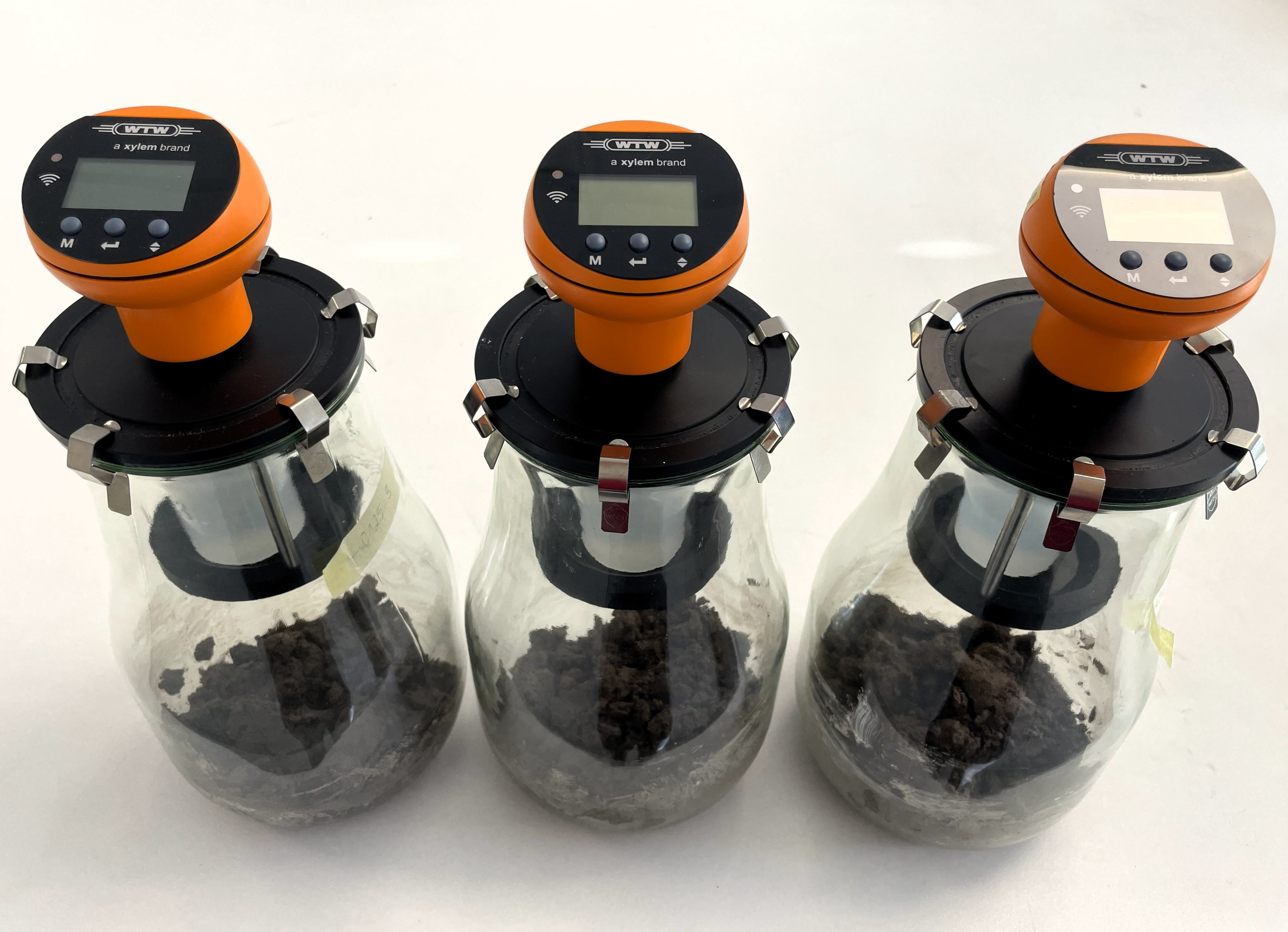
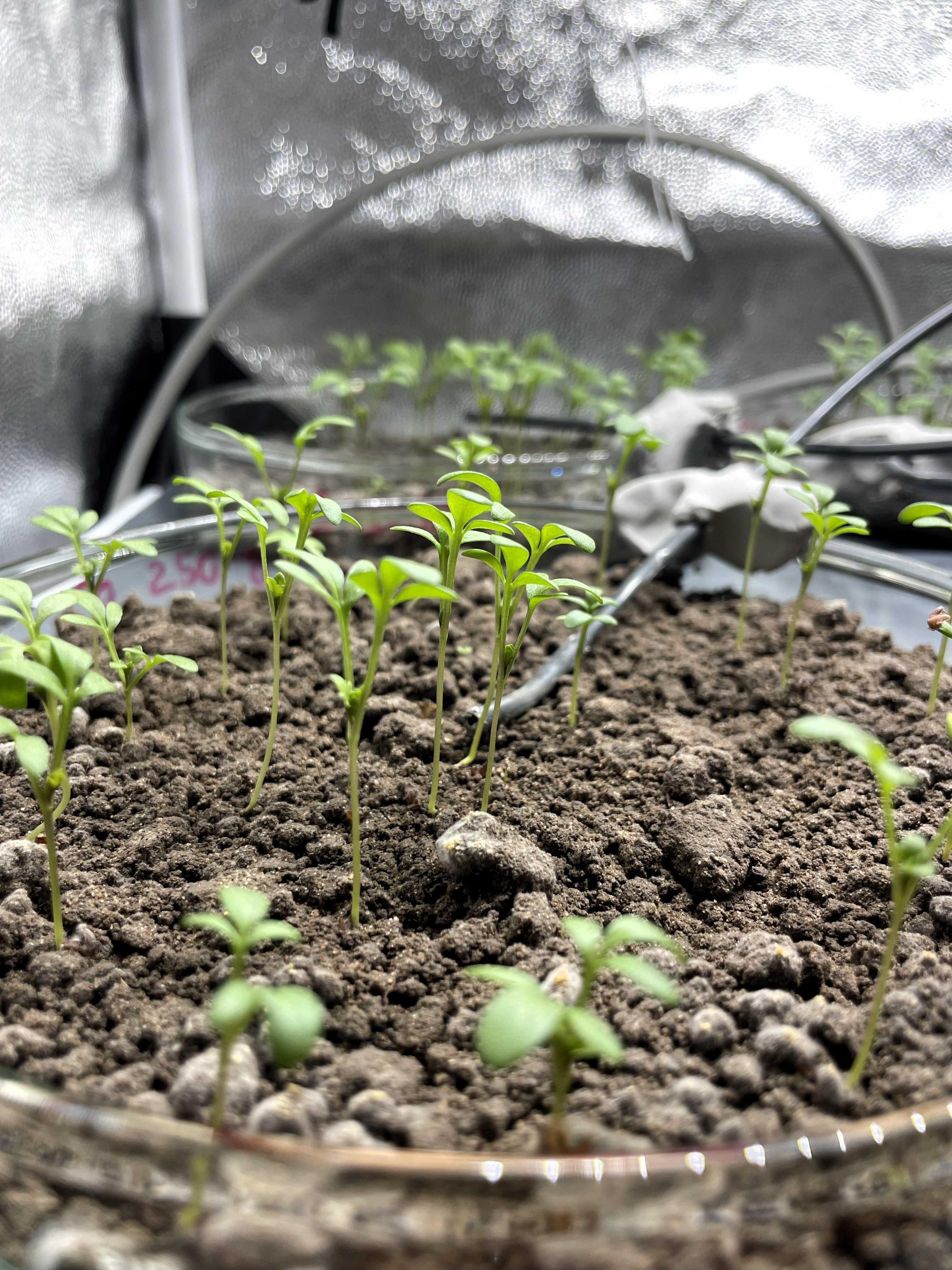
The method assesses both biodegradability and ecotoxicological effects. A respirometer system measures oxygen consumption by soil microorganisms during degradation to quantify biodegradability. Plant growth tests using cress seeds evaluate potential effects on vegetation after degradation. Earthworms serve as sensitive bioindicators, with survival rates and changes in body mass used to assess potential toxic effects.
These parameters assess whether textile fragments degrade in soil and whether residues affect soil health or biological function.
Relevance for product comparison and environmental claims
“Textile fibers and fragments are released into the environment, not only during washing, but also during everyday use. Making this testing approach publicly available as a DIN SPEC provides a common reference for comparing how different textile materials behave in soil,” said Juliane Alberts, project manager at Hohenstein. “That consistency is critical when companies evaluate materials or substantiate environmental claims, such as ‘compostable’.”
Publicly available specification
DIN SPEC 19296 was developed by Hohenstein in cooperation with Goldeck Textil GmbH and Oceansafe AG and is publicly available. By combining biodegradability and ecotoxicological testing, the specification helps determine whether soil continues to function as a habitat for plants and organisms after textile fragments degrade.
For more information, visit: Hohenstein.US/Biodegradation
###
Hohenstein is a family-owned company specializing in independent testing, research and certification for textiles, medical devices and consumer products. With more than 80 years of scientific expertise and involvement in developing international standards, Hohenstein provides manufacturers, brands and retailers with reliable data for safety, quality, performance and sustainability. The company is a co-founder of OEKO-TEX®, a CPSC-accepted third-party laboratory for CPSIA compliance and GLP certified for medical device testing. Services include chemical and physical testing, microbiological analysis, fit and comfort studies, performance evaluation and customized solutions beyond standard test methods. Hohenstein.US
Press Images